








Krzysztof Kieslowski
Noah’s Barks pages relating to movie/film director Krzysztof Kieslowski.
Noah’s Barks pages relating to movie/film director Krzysztof Kieslowski.
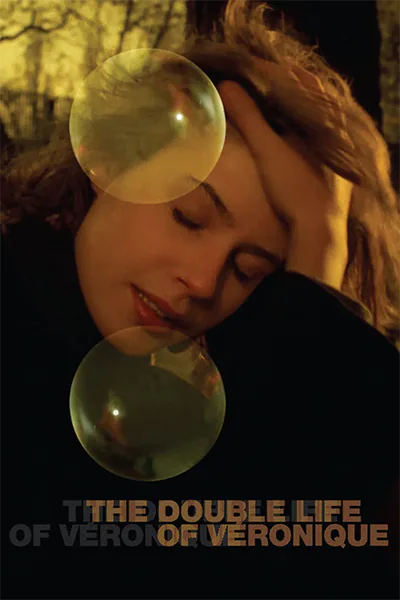
The Double Life of Veronique explores a question as old as the night’s stars: are we ever alone in thinking our thoughts? (read more)
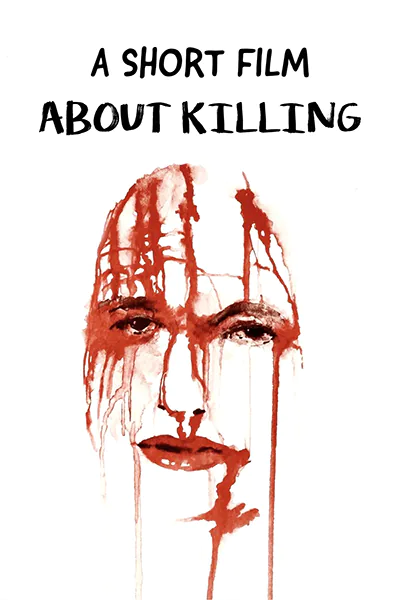
A Short Film About Killing (ASFAK) has Kieslowski blossom into the ethereal directing style that would define his beautiful humanism. For the first time we see a distinct focus on color and music. ASFAK chooses bronze, as a dystopian, somber, golden sunset is cast over the final days of its characters. Though made with an… (read more)
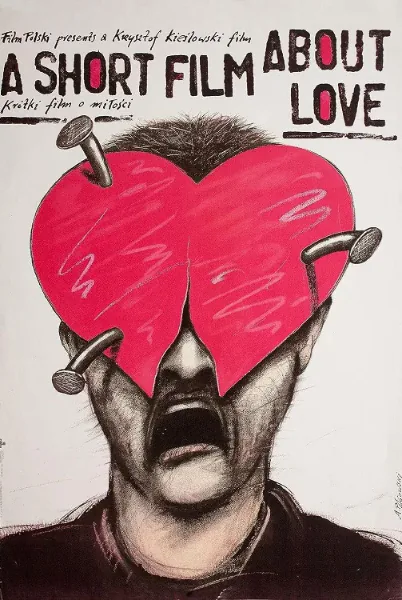
A Short Film About Love contains much of Kieslowski’s human compassion and interest in fatalism. I find the story’s resolution to be disappointingly trite, as the display of a man driven mad by his inability to express his obsession is far more interesting than an idealistic, bogus love story from a deviant’s perspective. I really… (read more)

Kieślowski captures accurately the experience of dealing with the cold, dreary government bureaucracy. Which means The Office, a five-minute short film, is every bit as painful to watch as it is to go through the machine. Just as I wish to never deal with bureaucracy, I wish to never see this short again. No more,… (read more)
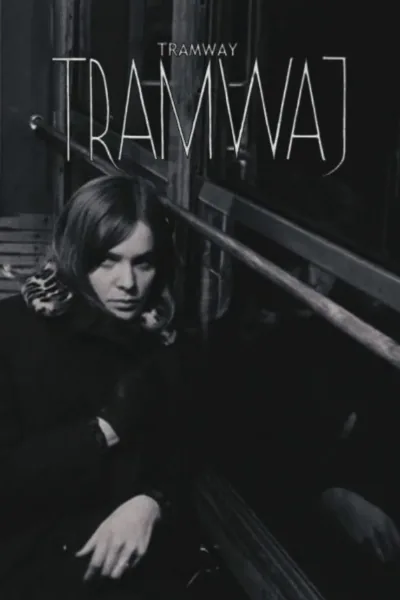
It’s charming to see that Kieślowski is still himself in his first film. Yet again a simple but poignant observation of ordinary people’s lives taking sudden major turns. It’s a story that’s happened to everyone. Still, though it may be Kieślowski, there’s nothing really special about Tramway. I hope Jerzy Braszka eventually plucked that unibrow.… (read more)
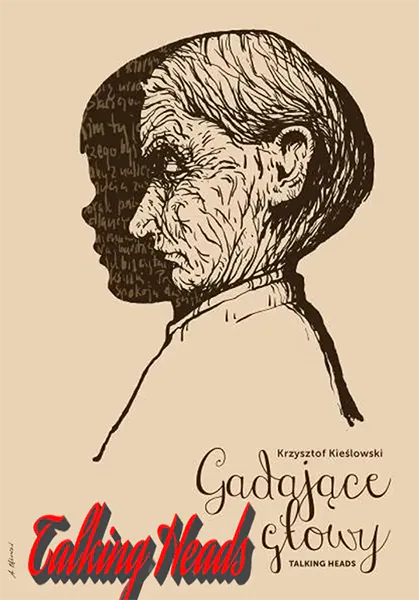
Kieslowski has no need for fictional characters when real people are more interesting. You could say it’s one of his mottos. Talking Heads is a demonstration of that, a series of interviews sorted chronologically by age with 100 different people. The generation transitions in this documentary happen too quickly with very little youth featured, which… (read more)
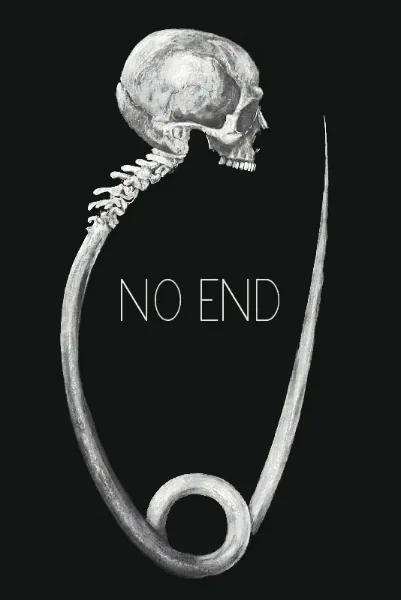
No End is both expected and peculiar in Kieslowski‘s oeuvre, as it contains both a humanistic drama and a legal/political one, but these two stories are separate and merely intertwine with a set of linked characters. One half displays the struggle of a woman grieving over her dead husband, while in the other a lawyer… (read more)
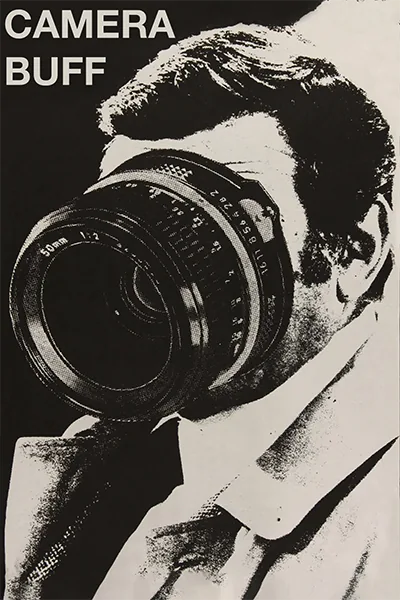
Camera Buff (AKA Ametor) is a semi-autobiographical drama made by a filmmaker for a filmmaker. I am not a filmmaker and have no interest in becoming one, but I was still thoroughly engaged despite not connecting to Camera Buff on a personal level like Kieslowski’s others. Anyway, the perv-stached Jerzy Stuhr portrays Kieslowski’s own struggles… (read more)
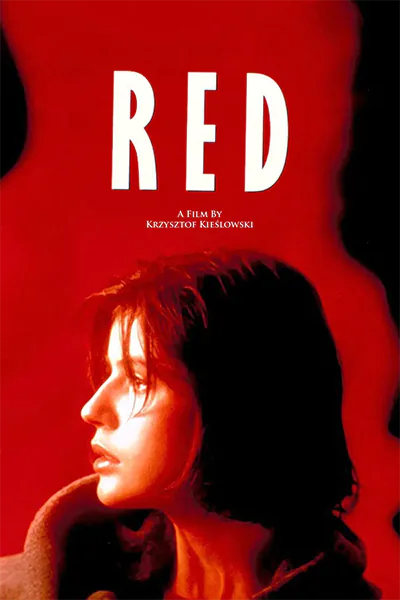
I try to share my thoughts on every movie I watch, but Three Colors: Red has me tongue-tied trying to express how I feel. As I watched what first seems to be another lovely human drama in this great trilogy, my mind eventually began to unravel when I realized the metanarrative Kieslowski was going for… (read more)
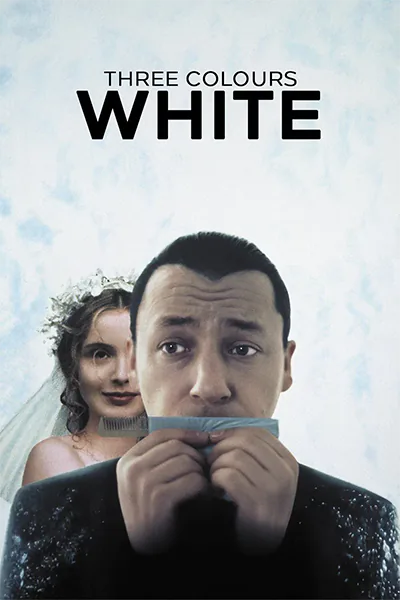
Lacks the humanistic drama that made Three Colors: Blue so affecting, but Three Colors: White succeeds in its own special way with its unique sense of comedy. Thanks to the 90-minute runtime, the storyline never develops at a dull pace, but on the flipside, Karol doesn’t feel fully explored as a character. Still, the great… (read more)