





’60s
Noah’s Barks pages covering things relating to the years 1960 to 1969, i.e. the ’60s.
Noah’s Barks pages covering things relating to the years 1960 to 1969, i.e. the ’60s.
Everything The Beatles were is encapsulated in this double album. From R&B rock, to folk, to psychedelia and beyond. This is ‘The Beatles.’ (read more)
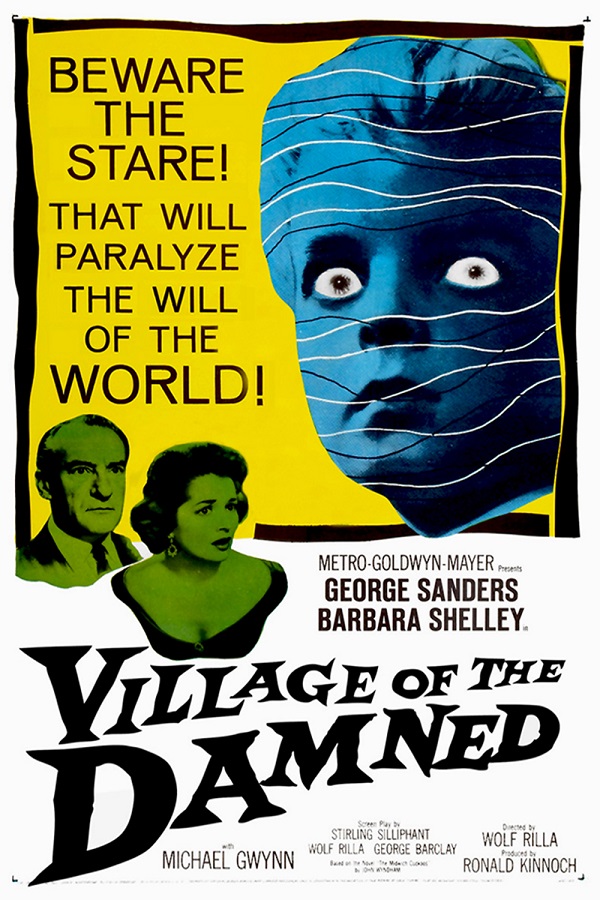
‘Village of the Damned’ is some solid stuff. Feels of its time in a way that makes it feel like a long ‘Twilight Zone’ episode. I’m a fan. (read more)
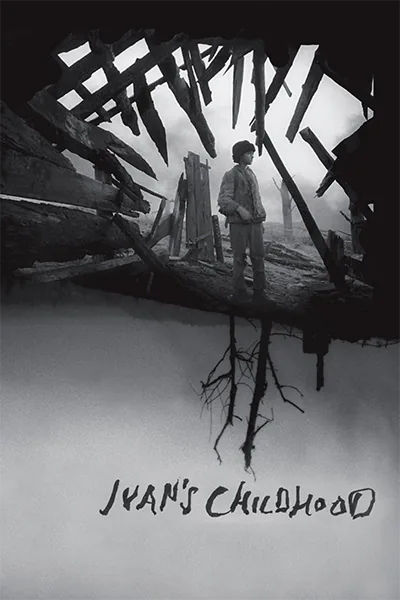
Very solid stuff. Burlyaev’s performance is one of the best I’ve seen from a child. Tarkovsky’s dream sequences and the lighting techniques he uses to divide them from reality are a highlight. Otherwise, Ivan’s Childhood didn’t grab me too much on a personal level. With so many “horrors of war” films, something either connects or… (read more)
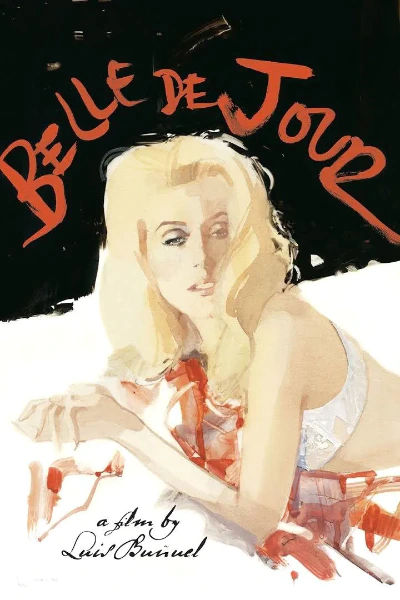
I continue to like the ideas of Luis Buñuel more than his actual films. His humiliation of the bourgeois continues in Belle de Jour, but there’s an additional element I’d not seen before: an actual sympathy towards sexual deviants as people repressed by the expectations of society. Catherine Deneuve becomes a victim herself as the… (read more)
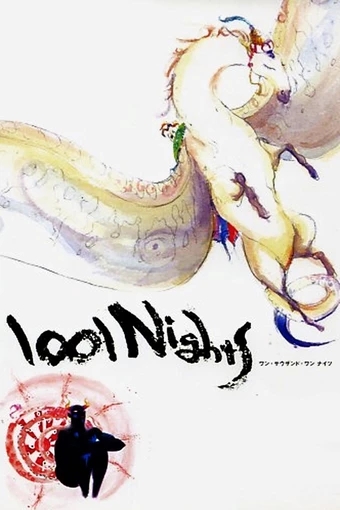
Not to be confused with Osamu Tezuka’s 1969 film, ‘1001 Nights’ is a short film from 1998 that features the surreal, evocative art of Final Fantasy alum Yoshitaka Amano. (read more)
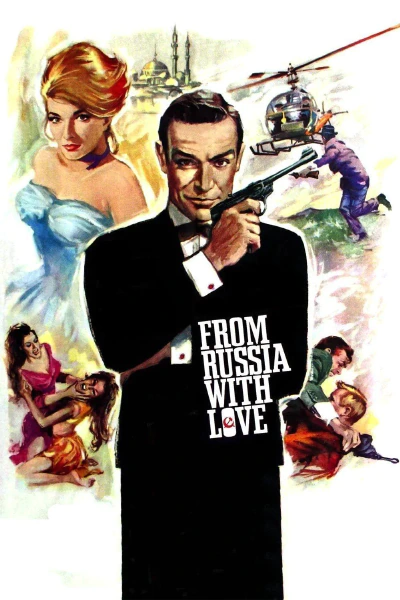
If you take away the camp from James Bond, you have to be careful that there’s anything else to look at other than the rug you just pulled. From Russia with Love removes the charm and exotic Caribbean/science-fiction wonder from Dr. No, and in its place remain simplistic characters and a dull plot lacking any… (read more)
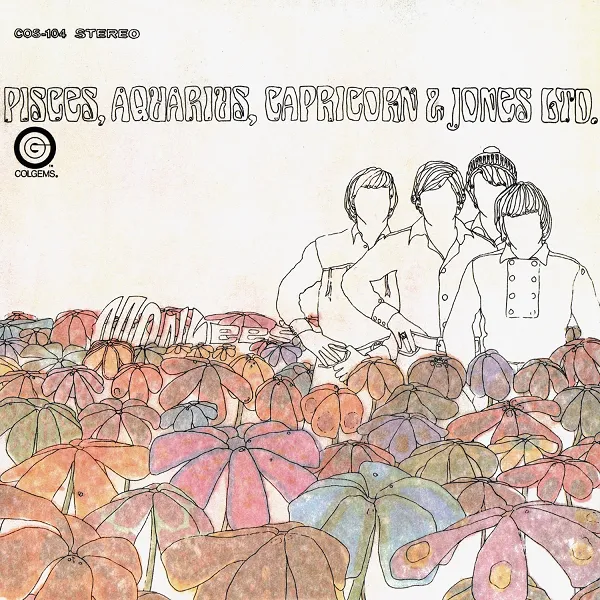
The fourth album by The Monkees is among the greatest rock records of the ’60s, exceeding all expectations. (read more)
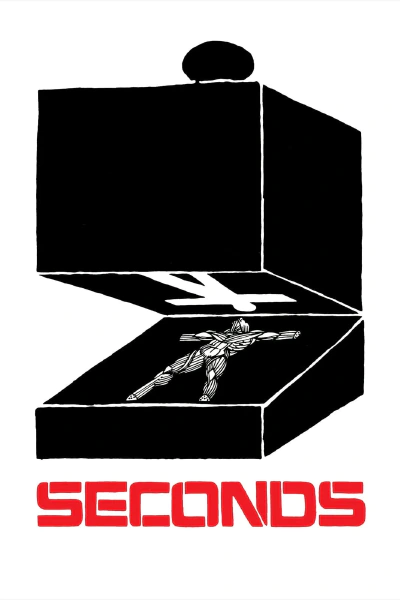
Some compellingly trippy, symbolic imagery here and there, but overall Seconds feels like an extended episode of The Twilight Zone that didn’t need to be extended—at least when it comes to its themes, which seem to deliver the broad message of, “life’s what you make it” with an unrelated, unforgiving pessimism added on top for… (read more)
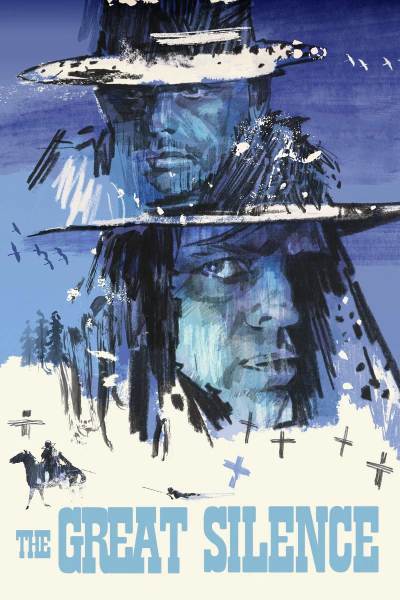
The Great Silence may end up waiting some time before it’s commonly regarded as one of the greatest westerns, which is unfortunate as the film’s effect is immediate. The unique snowy backdrops impact the dialogue and scenes wonderfully, Klaus Kinski plays a suitably psychotic and manipulative villain, and for its modest length the film has… (read more)
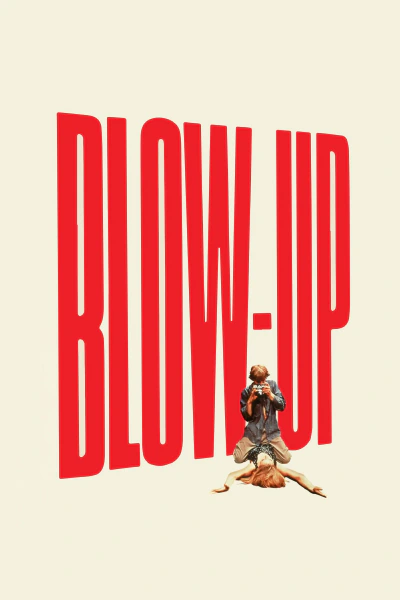
Is Blow-Up a historical representation of the Mod scene? A satirical criticism? The answer matters less than anything that happens in this film. The Mod vanities are quickly redundant, very weak, and fail to make this supposedly attractive pull of no responsibility sympathetic. And yet, for all of this empty hedonism, 10 minutes focused on… (read more)