




’60s
Noah’s Barks pages covering things relating to the years 1960 to 1969, i.e. the ’60s.
Noah’s Barks pages covering things relating to the years 1960 to 1969, i.e. the ’60s.
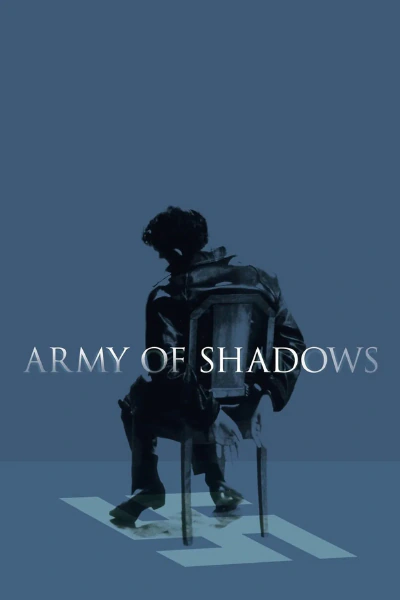
It’s remarkable and deserving of more respect how modern Jean-Pierre Melville‘s films still look. Show Army of Shadows to your cousin and I can’t promise they won’t call it boring, but they certainly wouldn’t look immediately away. A palpably cold struggle against one of the most imposing mountains of an army in human history. As… (read more)
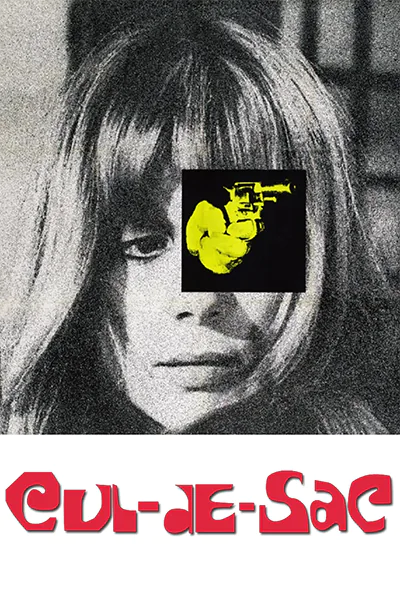
Polanski viewed the seminal Repulsion as a stepping stone to this forgotten, bizarre black comedy he intended to be a hit. For all its quirky and amusing antics and characters, Cul-de-sac bears the distinctive mark of a Polanski film in that he psychologically traps his characters and invites us to observe how they respond. There… (read more)

Kieślowski captures accurately the experience of dealing with the cold, dreary government bureaucracy. Which means The Office, a five-minute short film, is every bit as painful to watch as it is to go through the machine. Just as I wish to never deal with bureaucracy, I wish to never see this short again. No more,… (read more)
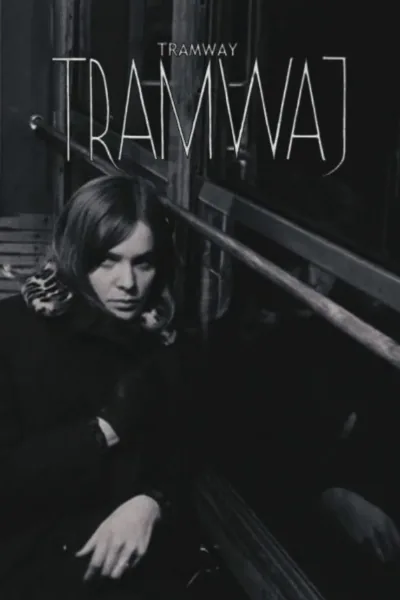
It’s charming to see that Kieślowski is still himself in his first film. Yet again a simple but poignant observation of ordinary people’s lives taking sudden major turns. It’s a story that’s happened to everyone. Still, though it may be Kieślowski, there’s nothing really special about Tramway. I hope Jerzy Braszka eventually plucked that unibrow.… (read more)
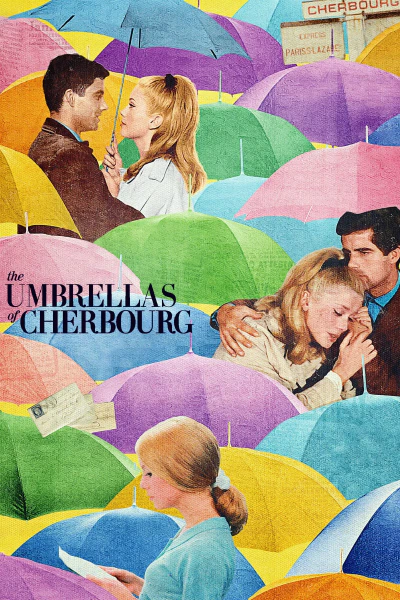
I’m heartbroken. Not because of the story of The Umbrellas of Cherbourg, but everything else. I love musicals and thought its concept of every spoken line being sung was brilliant. I saw the bright, blooming colors and that this was a French movie and assumed that Jacques Demy foresaw my birth and created this movie… (read more)
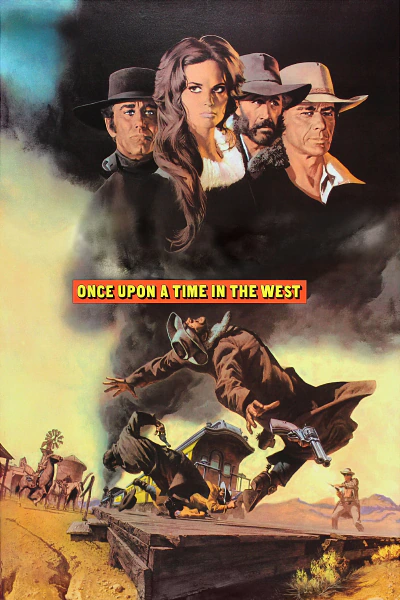
I never expected any western to approach the quality of The Good, the Bad, and the Ugly, but Once Upon a Time in the West both gave me hope and succeeded. The overstretched beginning is fairly flat, but once Charles Bronson and Jason Robards meet it’s as if the whole movie suddenly goes aflame. Sergio… (read more)
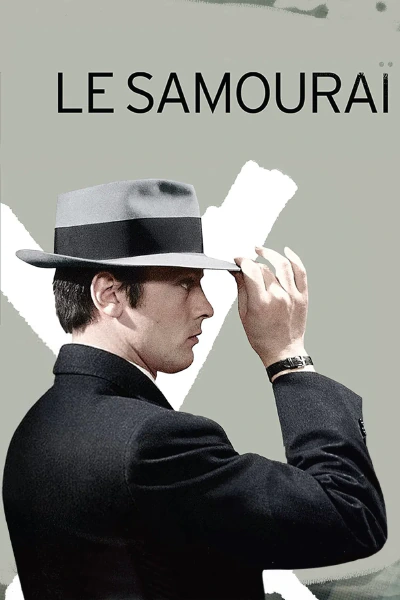
With Le Samouraï, Jean-Pierre Melville crafts a minimalist noir where absolute silence is golden, a foil to the heavy use of grey tones that cast dark, foreboding clouds over the slow proceedings. Possibly the most beautiful film of the ’60s, every scene takes place in real-time as if a natural coil is slowly wrapping around… (read more)
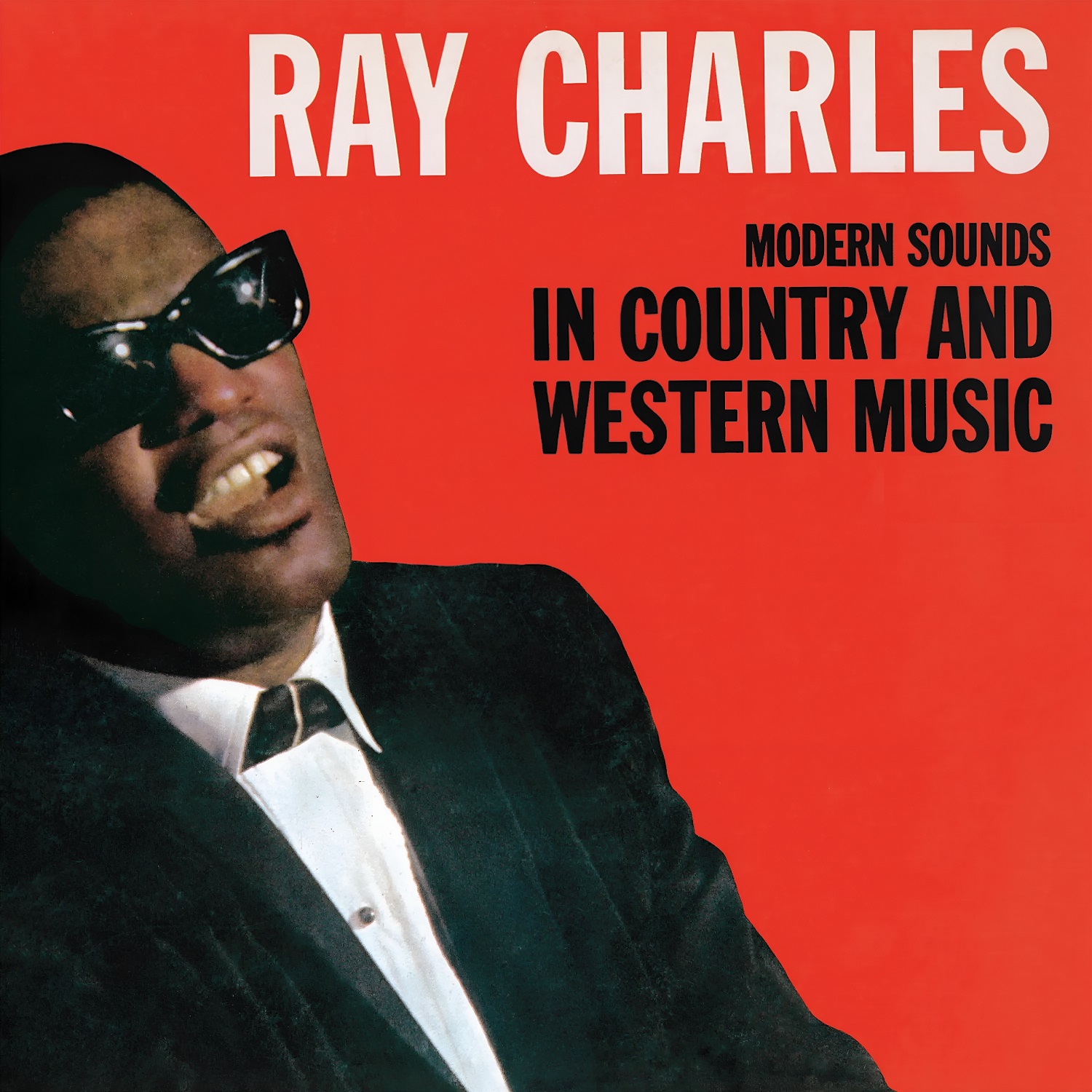
Ray Charles could sing “white” music as well as just about anyone, but to his and everyone else’s benefit, he could never hide the fact that he just sounded “black.” His wonderful singing voice was probably a new flavor to many listeners during his time. Charles’s introduction of blues into a predominately white pop vocabulary… (read more)
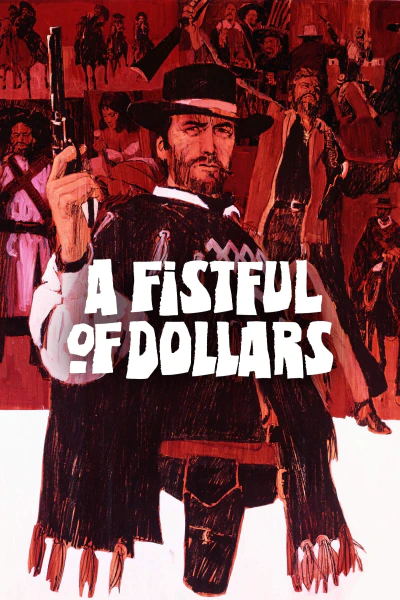
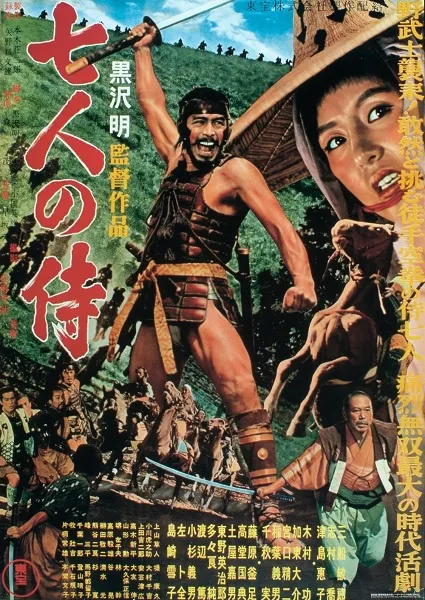
It’s surprising how they both run the same length, as Yojimbo fleshes out its setting and characters much more than A Fistful of Dollars does, perhaps due to Sergio Leone‘s slow, suspenseful pacing. Yojimbo is also funnier. Yojimbo this, Yojimbo that. A Fistful of Dollars is inferior, but it still has plenty of its own… (read more)
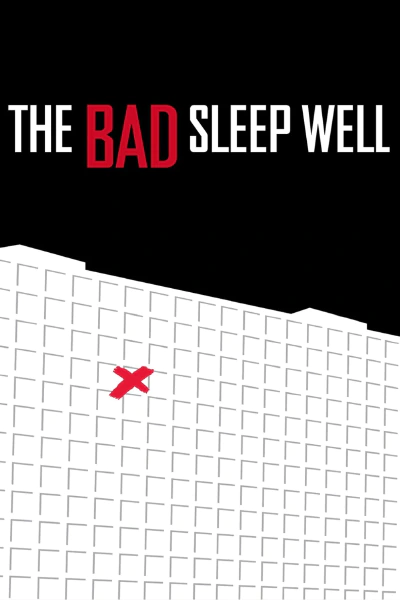
A fair generalization of Akira Kurosawa movies is that his greatest works have wonderful characterizations while his lesser works are so because they lack this. The Bad Sleep Well is no different. Performances are strong (a fine example of Toshirô Mifune‘s incredible range in particular), the Hamlet-inspired story is conceptually good, but characters are underdeveloped… (read more)